The landlord question, answered practically
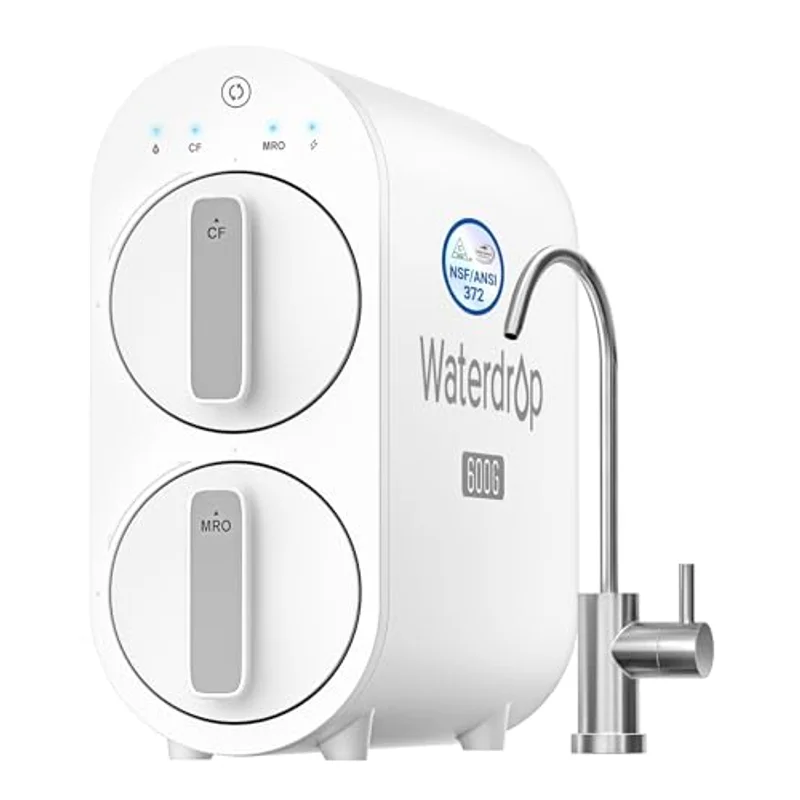
Before you ask, know exactly what you are asking for. A standard under-sink RO installation alters three things, and they are not equally reversible.
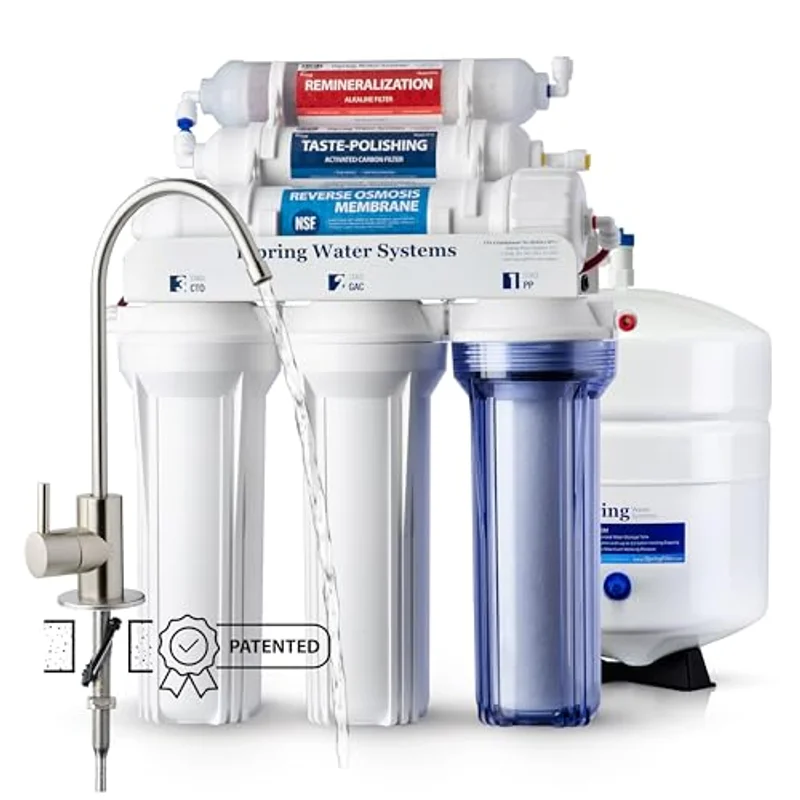
A feed valve on the cold-water line. The system taps the cold supply at the angle stop, usually with a compression adapter that sits between the stop and the existing supply line. This is the most reversible of the three: close the valve, unscrew the adapter, reconnect the original line. Nothing is drilled and nothing is cut.
A drain saddle on the waste pipe. The reject line reaches the drain through a saddle clamp on the sink tailpiece, with a small hole drilled through the pipe wall underneath. The clamp comes off in a minute; the hole is permanent. In practice it is still reversible, because a tailpiece is an inexpensive standard part — buy the replacement with the system and the restoration is already in the cupboard.
A hole for the dedicated faucet. This is the one that usually is not reversible, and it is what landlords actually object to. A cap can hide an unused hole in stainless steel, but a hole cored through granite or quartz is there for the life of the slab. Stone plus no spare opening means a diamond core bit, a template, and a mistake that cannot be undone — a decent argument for the counter even if you own the place.
Two pieces of practical advice. First, check whether the hole already exists: a great many kitchen sinks ship with a spare opening for a side sprayer or a soap dispenser, blanked off with a chrome cap or hidden under an accessory you never use. Look along the back edge of the sink deck and underneath before you assume drilling is required — this one check settles the question more often than people expect.
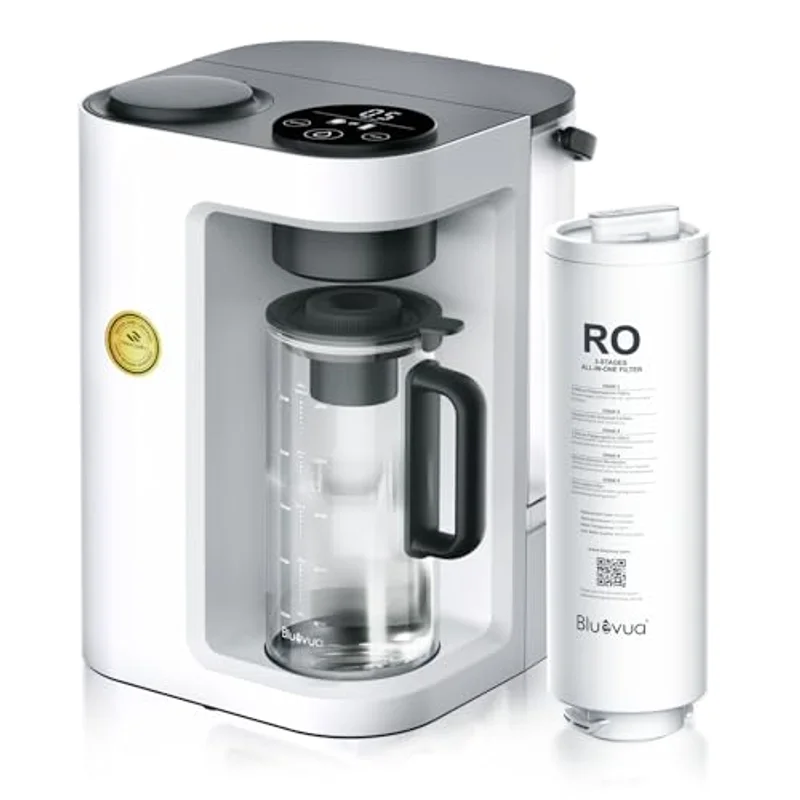
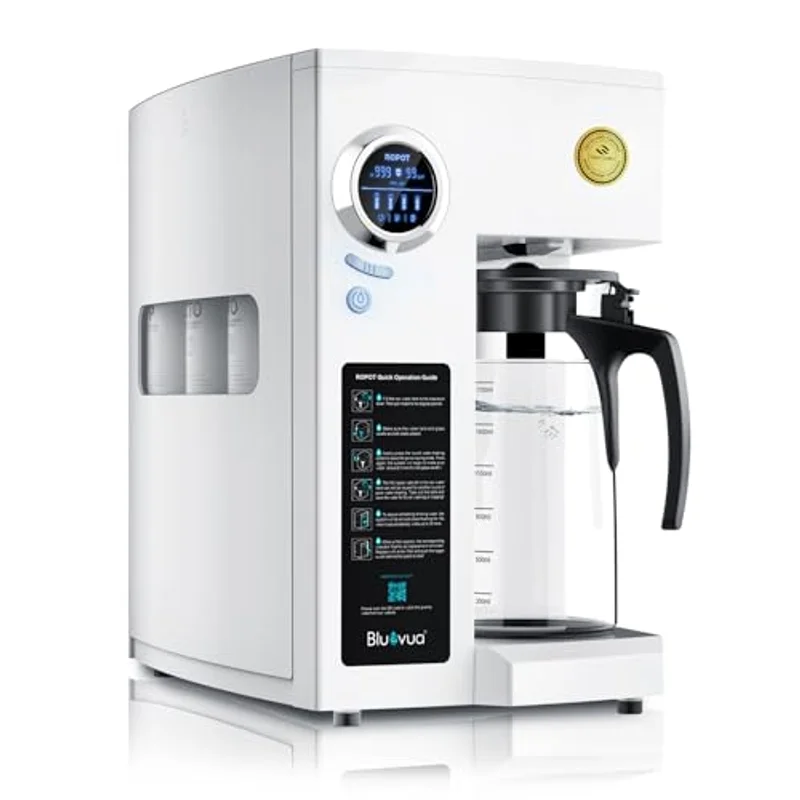
Second, if you do need permission, ask in writing and be specific: the three alterations above, which parts you will restore and how, and an offer to leave the system in place if they would prefer. Landlords refuse a vague request to modify plumbing far more readily than a precise, reversible one. If the answer is still no, the countertop route is not a downgrade — it is the option that keeps the decision yours.