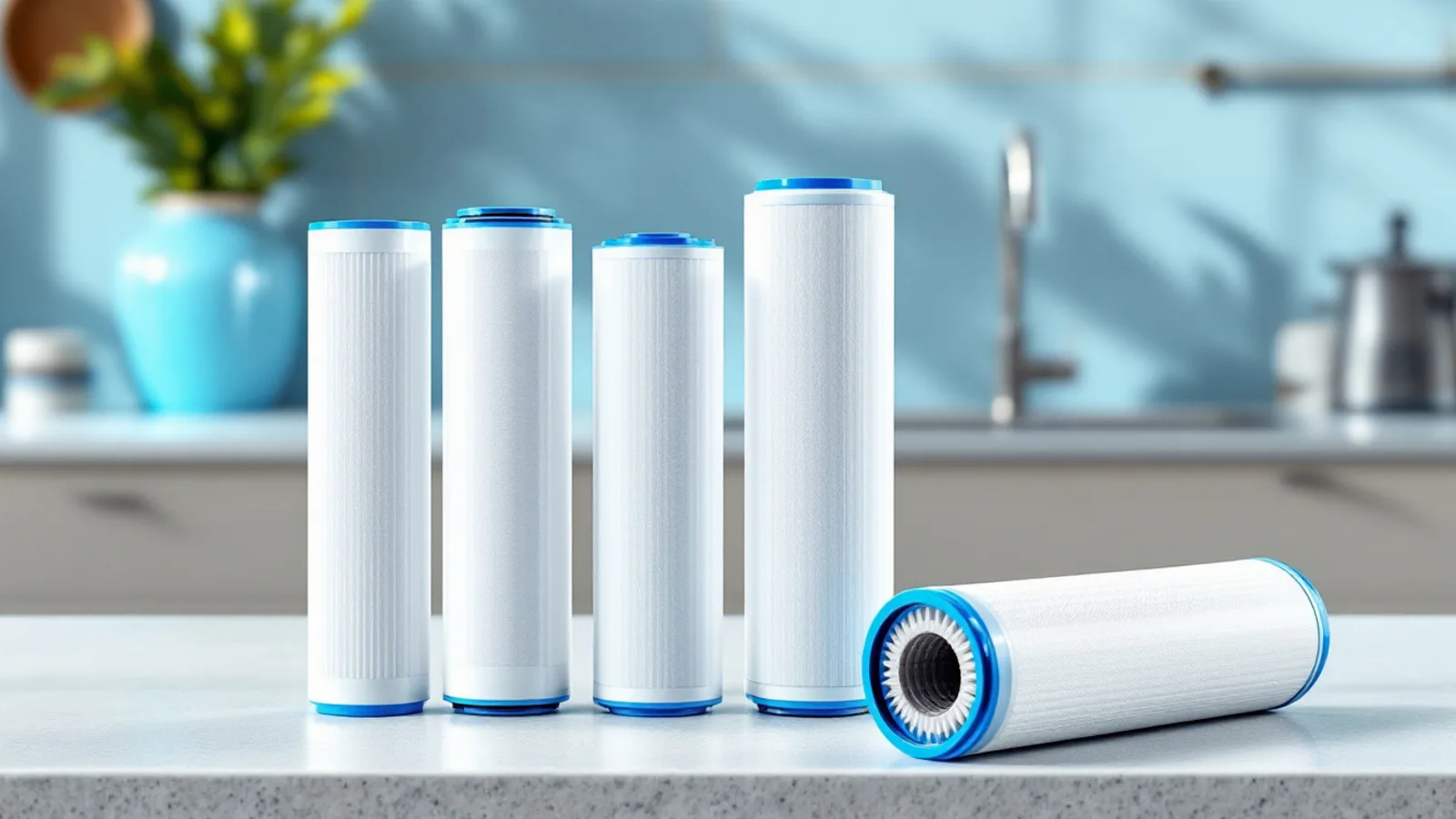
Buying a reverse osmosis system is two transactions that happen years apart. The first is loud and comparable: a sticker price, a spec sheet, a hundred buying guides ranking six of them. The second is quiet, recurring, and almost never priced anywhere you can find it before you commit — and over a normal ownership span it is frequently the larger of the two.
This page is the second transaction: what is inside the housings, how long each part lasts, what a year of cartridges costs for the systems we recommend on this site, and the structural decision — standard housings versus proprietary twist-in cartridges — that sets your running cost for as long as you own the thing. Every price comes from a specific Amazon listing we recorded; where we could not source one, we say so rather than filling the gap with a plausible-looking guess.
What is in there, and how long each part lasts
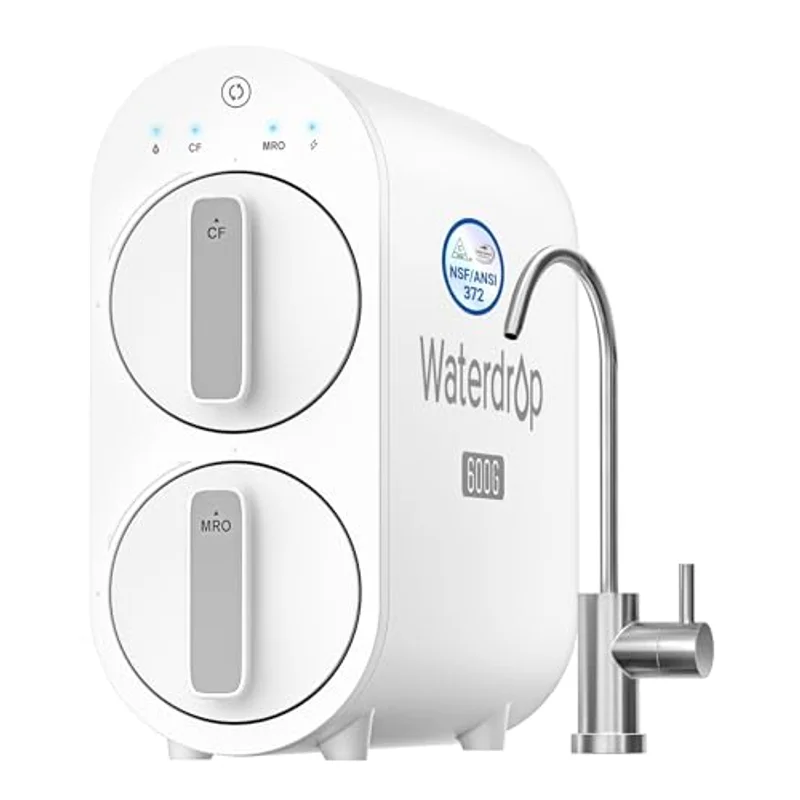
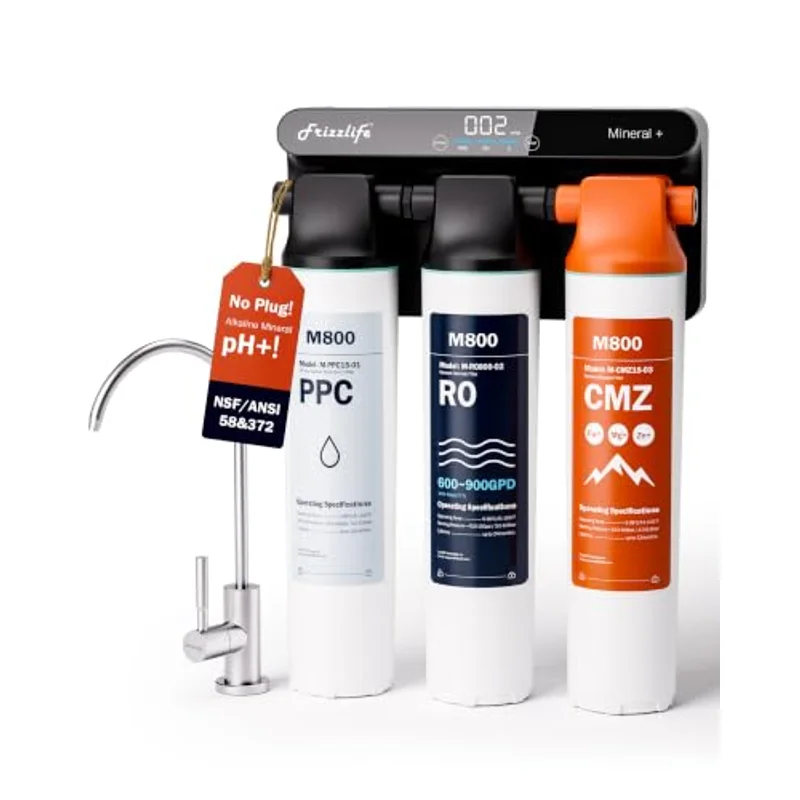
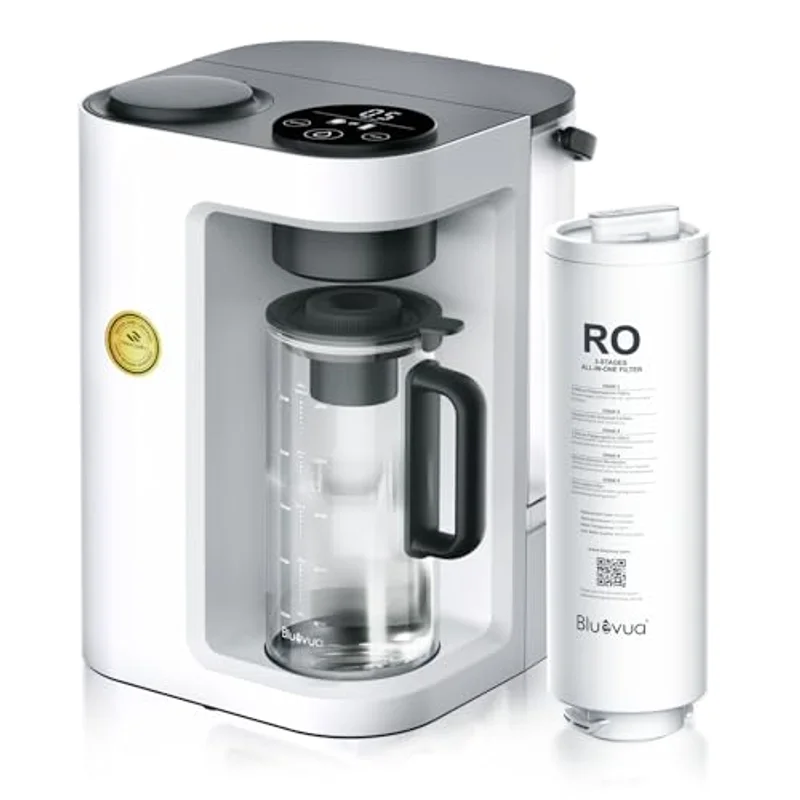
Strip the marketing off and every RO system is the same four jobs in sequence, whether it is a $200 tank system with three transparent housings or a $439 tankless box with three plastic sticks in it.
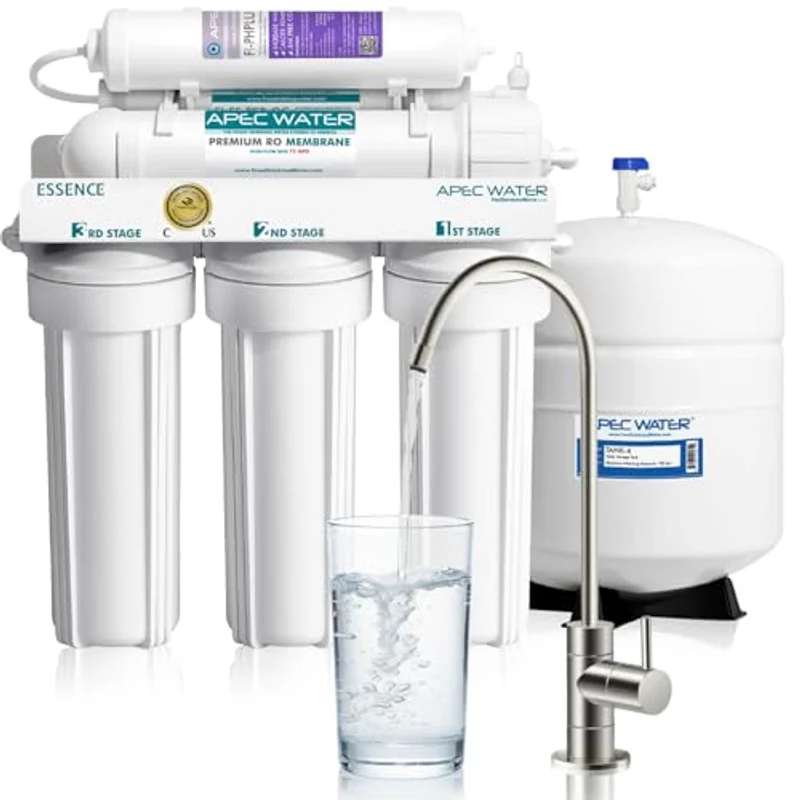
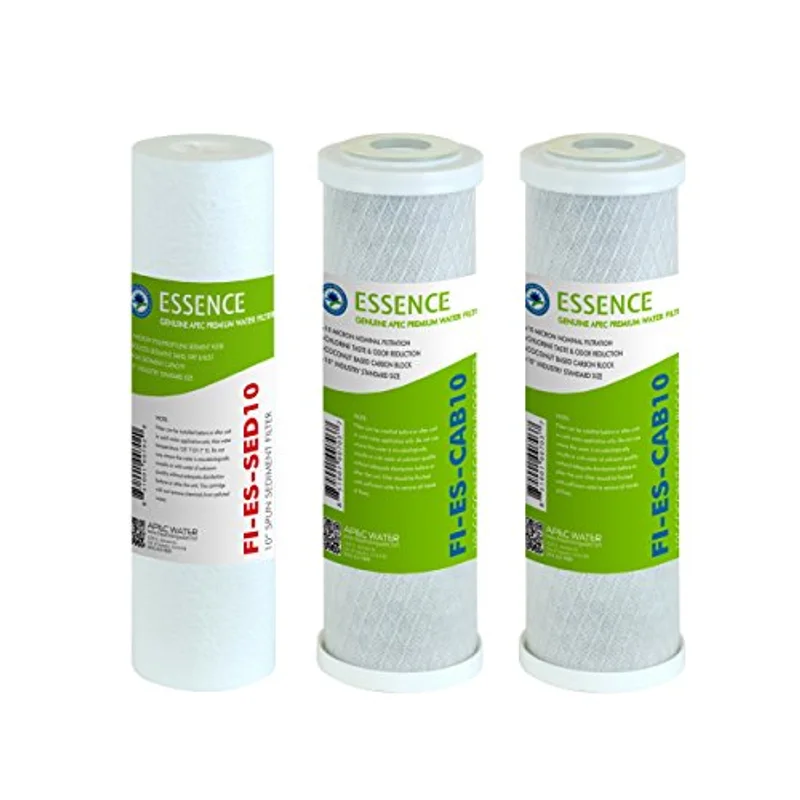
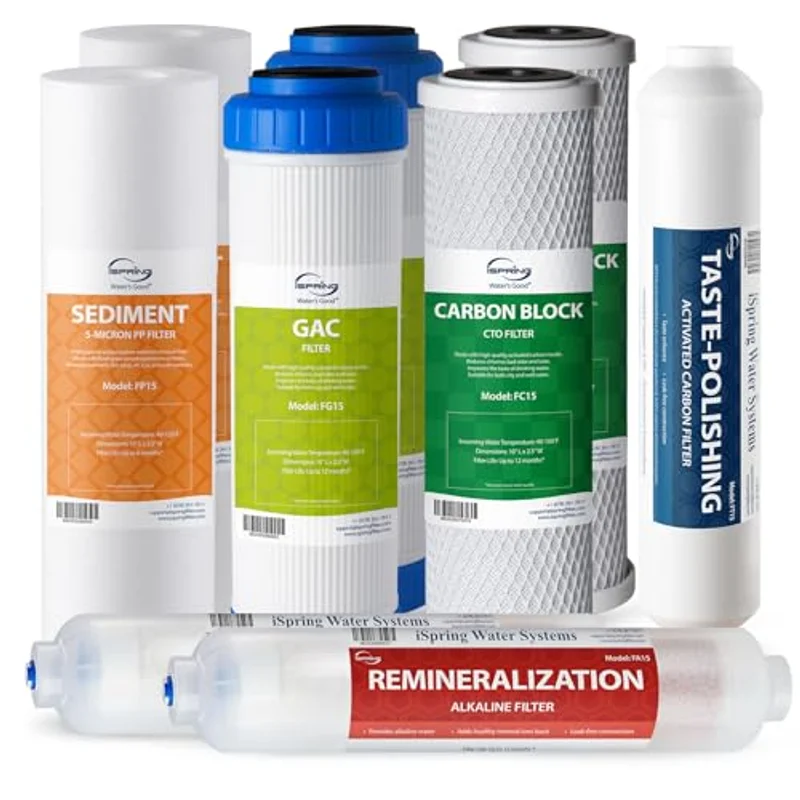
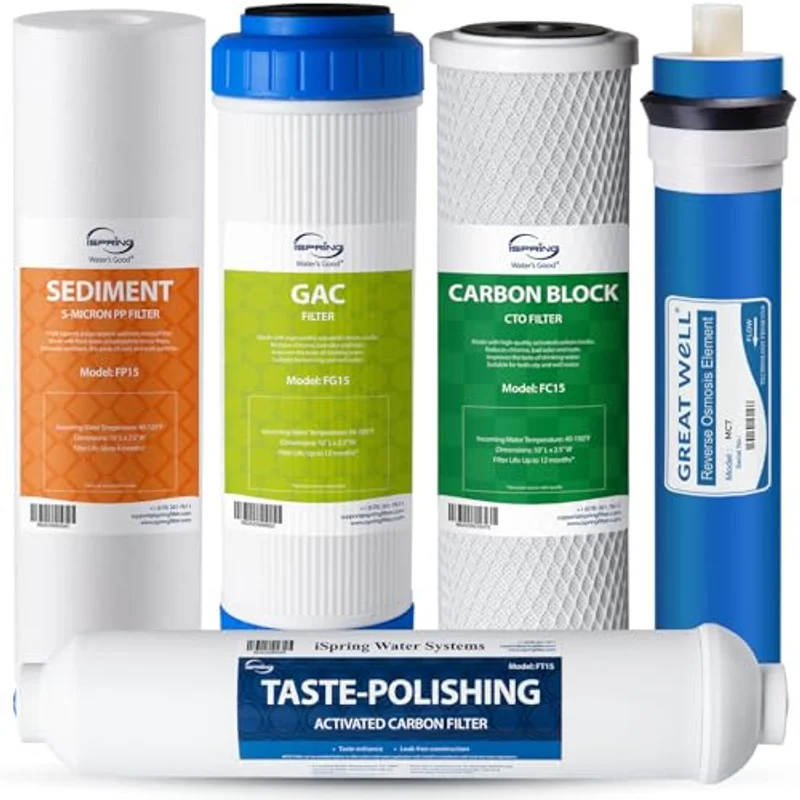
Sediment. A spun or pleated polypropylene filter catching sand, rust and particulates — the cheapest part in the system and the one doing the most physical work. APEC rates the first stage of its Essence pre-filter set at 5 micron. Expect six to twelve months.
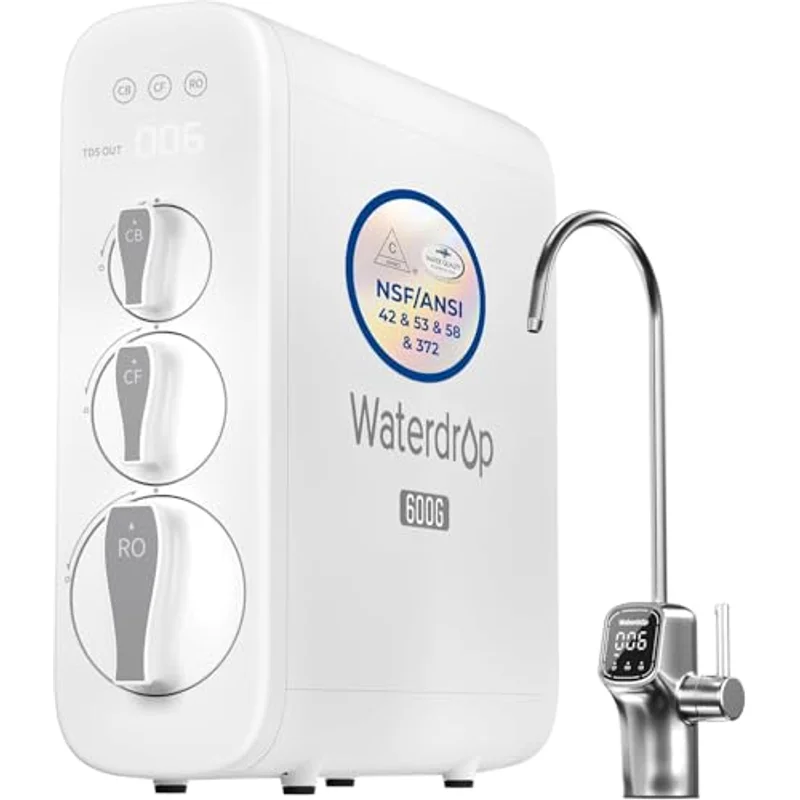
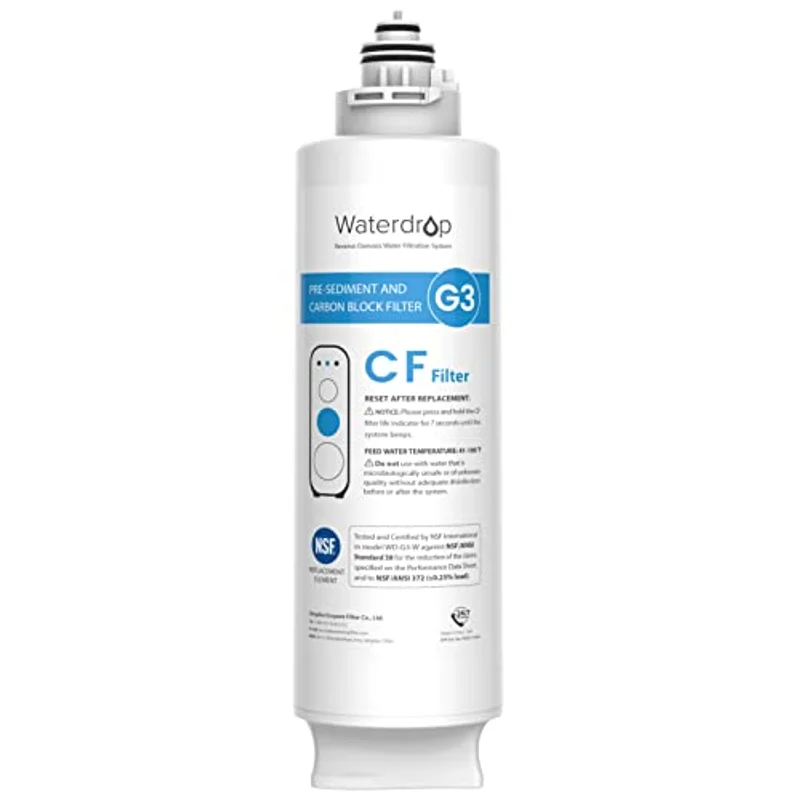
Carbon. Usually two stages — granular activated carbon, then a carbon block — stripping chlorine, taste and odor. This is not optional politeness: free chlorine attacks the thin-film composite RO membrane, so the carbon stages exist as much to protect your most expensive component as to improve taste. APEC's second and third stages are 10 micron extruded carbon blocks; Waterdrop uses a coconut-shell carbon block in its front filter. Six to twelve months.
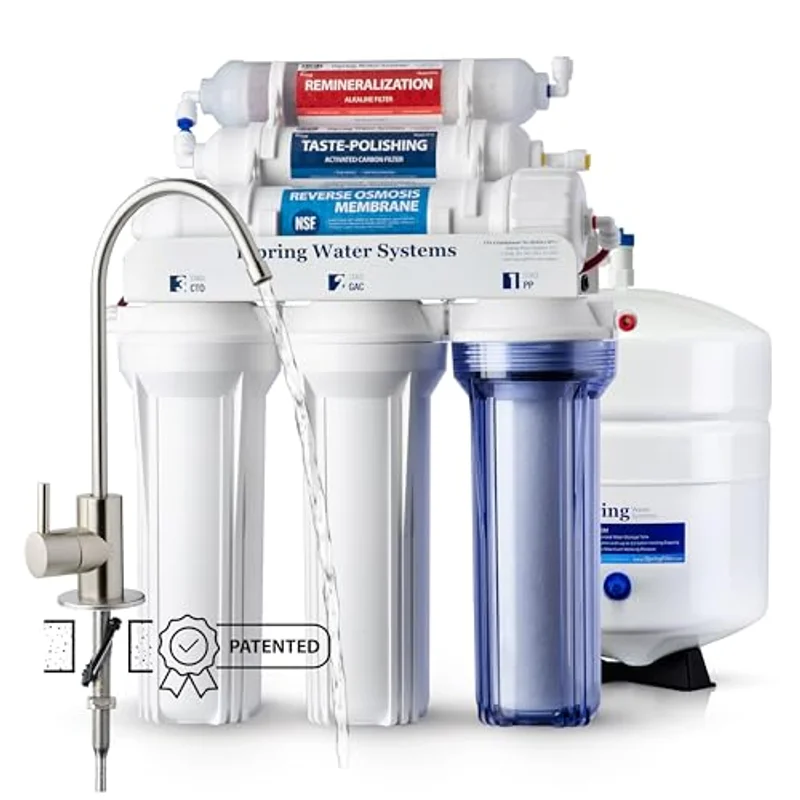
The RO membrane. The part that actually does reverse osmosis, rejecting dissolved solids down to a fraction of a micron. Most expensive cartridge, longest-lived: typically two to three years, because it is not accumulating particulate the way a sediment filter is — it is slowly fouling and losing rejection. iSpring rates its 75 GPD membrane at up to 97% TDS rejection under NSF/ANSI 58 test conditions.
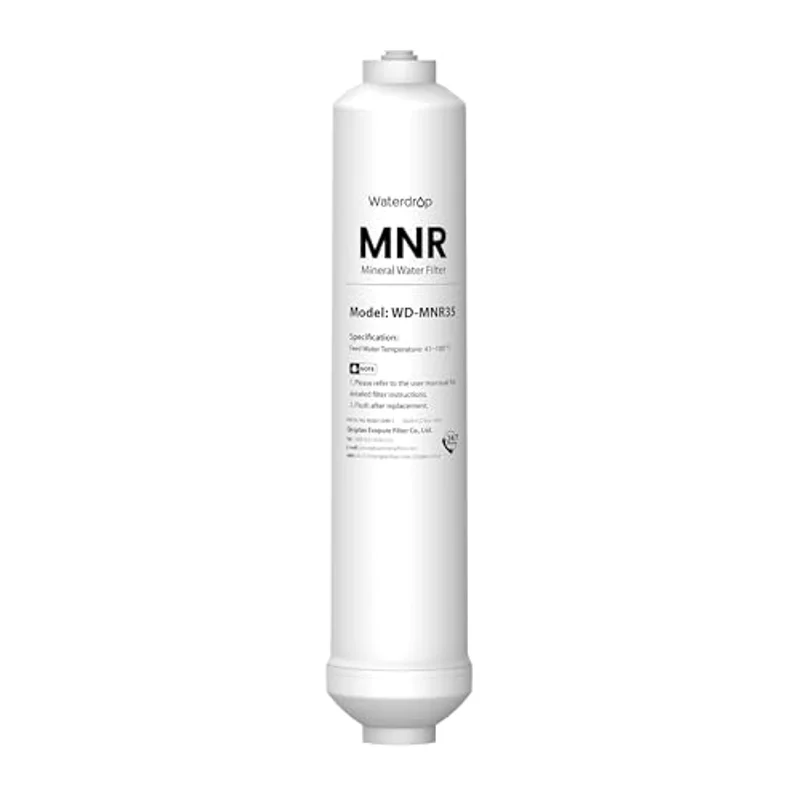
Post-carbon and remineralization. A final polish before the faucet, plus — on alkaline systems — a mineral stage putting calcium and magnesium back after the membrane has taken everything out. Waterdrop rates its standalone MNR35 remineralization cartridge at nine to twelve months or 1,100 gallons, whichever comes first, and suggests replacing at nine. That window is typical for the whole post-membrane group. (Whether losing those minerals matters is its own question — we work through it in does reverse osmosis remove minerals.)